
Post-inflammatory hyperpigmentation (PIH) is a common skin concern, especially after acne. Those dark spots that linger after a breakout aren’t scars, they’re pigmentation issues caused by inflammation.
The good news? PIH is treatable. This guide breaks down everything you need to know about PIH treatment, including natural remedies, timelines, and solutions for different skin tones.
PIH Treatment for Acne: Understanding the Basics
Before diving into how to get rid of PIH, it helps to understand what it is, and what it’s not.
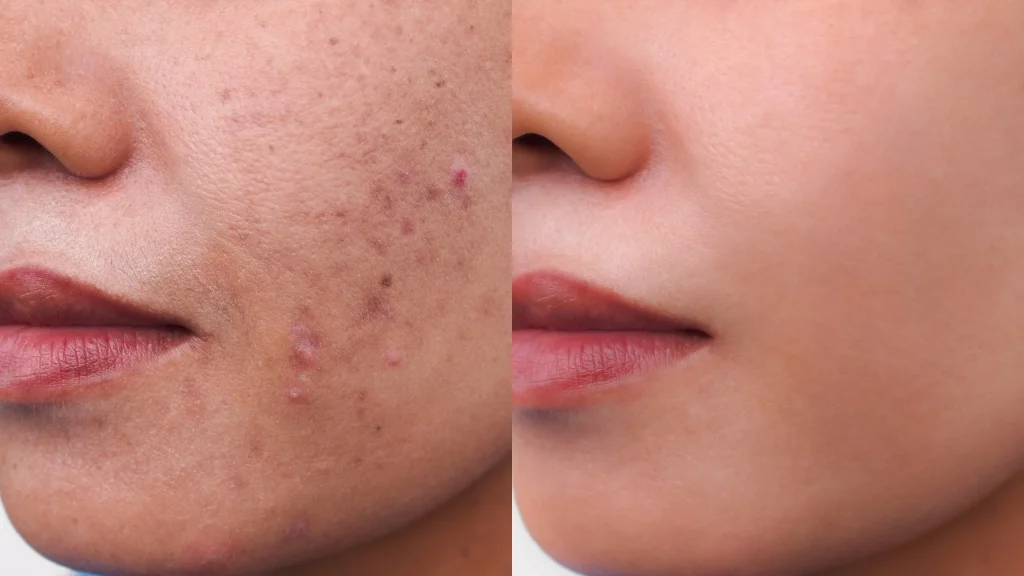
PIH occurs when the skin produces excess melanin after inflammation, often caused by acne. Unlike acne scars, which involve textural changes, PIH shows up as flat brown, red, or purple spots on the skin.
These marks can stick around for weeks or even months, depending on your skin type and how you care for them.
Fortunately, with the right PIH treatment plan, they can fade noticeably and even disappear completely.
How to Remove PIH Naturally?
If you prefer to avoid harsh chemicals, you’re not alone. Many people are looking for natural ways to treat PIH.
While results may take longer, consistent natural care can significantly improve hyperpigmentation over time.
1. Aloe Vera
Aloe vera has anti-inflammatory and soothing properties. Applying pure aloe gel daily can help reduce pigmentation and speed up skin regeneration.
2. Green Tea Extract
Green tea is packed with antioxidants. When used topically (in creams or masks), it can help lighten dark spots over time while also calming acne-prone skin.
3. Licorice Root Extract
This plant-based ingredient contains glabridin, which helps inhibit melanin production. It’s often found in natural serums and is gentle enough for daily use.
4. Vitamin C from Natural Sources
Using serums with vitamin C derived from citrus or camu camu can brighten skin and reduce PIH. Look for stable forms like magnesium ascorbyl phosphate in clean beauty lines.
5. Honey and Turmeric Mask
Turmeric has anti-inflammatory benefits and honey is antibacterial. Together, they make a DIY mask that can gradually reduce dark spots when used 2–3 times a week.
What Is the Fastest Way to Get Rid of PIH?
If you’re looking for speed, natural remedies may not be enough. Dermatologist-recommended PIH treatments tend to deliver faster and more visible results.
1. Chemical Peels
These treatments use acids like glycolic, lactic, or salicylic to exfoliate the skin and speed up cell turnover. Mild peels can be done at home, while stronger versions require a professional.
2. Retinoids
Retinoids (like tretinoin or adapalene) encourage faster cell regeneration and help fade pigmentation over time. They also help prevent future acne.
3. Hydroquinone
This skin-lightening agent is often prescribed for moderate to severe PIH. It’s effective but must be used under medical supervision due to potential side effects with long-term use.
4. Laser Treatments
Laser therapy targets melanin directly. It’s one of the quickest ways to remove PIH, though it may require multiple sessions and is more costly.
5. Microneedling
Microneedling promotes collagen production and helps reduce pigmentation. It’s especially effective when combined with vitamin C or tranexamic acid serums.
How Long Does It Take for PIH to Go Away?
Patience is key when dealing with PIH. The fading timeline depends on several factors: your skin type, how dark the spots are, and the treatment method you use.
- With Natural Remedies: Results can take 2–6 months, depending on how often you apply them and your skin’s healing speed.
- With Active Treatments (e.g., retinoids, peels): You might see noticeable improvement in 6–12 weeks, especially if you’re consistent.
- With Professional Treatments: Laser or microneedling can show faster results, sometimes within 3–4 weeks after a few sessions.
Regardless of the method, the key is consistency and sun protection. Without SPF, even the best PIH treatments won’t be effective.
PIH Treatment for Dark Skin
Dark skin is more prone to PIH due to higher melanin levels, and it’s also more reactive to harsh treatments. This means being strategic and gentle is especially important.
1. Avoid Aggressive Exfoliants
Physical scrubs and high-strength acids can worsen PIH or cause new spots. Stick with mild exfoliants like mandelic acid or lactic acid.
2. Use Ingredients That Work for Melanin-Rich Skin
Niacinamide, azelaic acid, kojic acid, and tranexamic acid are all safe and effective for darker skin tones. They help lighten spots without bleaching the surrounding skin.
3. Always Wear Sunscreen
UV exposure darkens PIH and prolongs healing. Use a broad-spectrum SPF 30 or higher, and reapply every two hours when outdoors.
4. Work With a Dermatologist
A specialist can help customize a PIH treatment plan that respects the unique needs of your skin, especially if you’re seeing slow or uneven results.
How Long Does PIH Take to Fade?
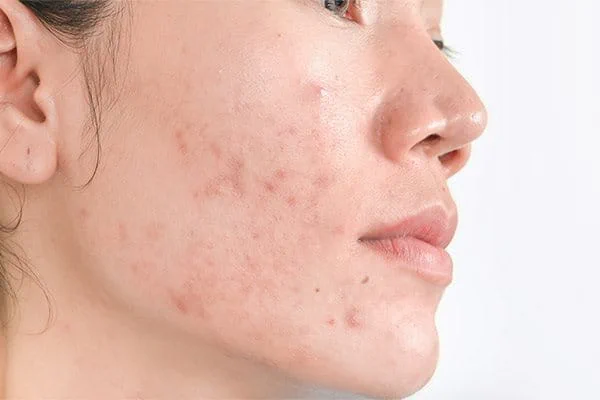
PIH typically fades on its own, but it can take a while. On average:
- Mild PIH: Fades in 3–6 months with consistent care.
- Moderate to Severe PIH: Can take 6–12 months or more, depending on your skin’s response and the treatment used.
The timeline shortens significantly with professional treatments, especially when combined with proper home care and daily sun protection.
Can Sunscreen Help with PIH?
Absolutely. Sunscreen is one of the most important tools in your PIH-fighting arsenal. UV rays make pigmentation worse, so daily SPF (at least 30) is non-negotiable, even if you’re indoors.
Is PIH Permanent?
PIH is not permanent. With consistent care and protection, most cases fade over time. However, not treating it properly, or picking at pimples, can extend the healing process.
Does Diet Affect PIH?
While no food instantly removes PIH, an anti-inflammatory diet rich in antioxidants (like berries, leafy greens, and omega-3s) can help support skin health and recovery.
Treat Your PIH at Bossiface with Professional
If you’ve tried everything and still see stubborn dark spots, it might be time for a professional solution.
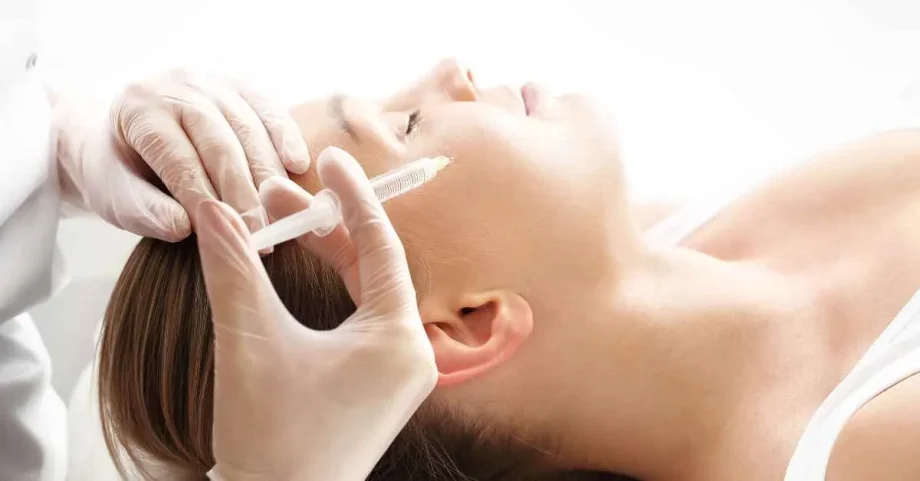
At Bossiface, we offer Mesotherapy, a highly effective treatment for PIH that delivers active ingredients directly into the skin where they’re needed most.
Mesotherapy involves microinjections of brightening agents, vitamins, and antioxidants that help:
- Break down excess melanin
- Speed up skin cell renewal
- Improve overall tone and texture
It’s especially helpful for deep pigmentation that doesn’t respond to surface treatments.
Our skincare experts tailor each session to your skin type and needs, ensuring safe and visible results.
Stop guessing and start healing, contact Bossiface to schedule a consultation and see if Mesotherapy is right for your PIH.
Whether your skin is light, dark, sensitive, or oily, we’ll build a plan that works for you.