
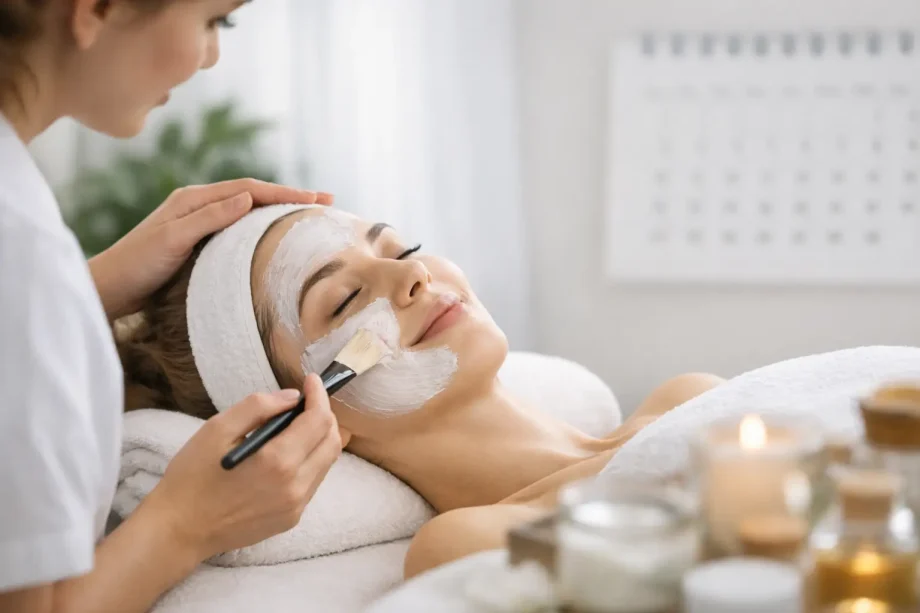
Your skin can look brighter after one well-designed facial, but lasting change usually comes from the rhythm that follows. The right facial appointment frequency is not simply about booking the most treatments possible. It is about giving your skin the professional support it needs, at intervals that respect its natural repair cycle, sensitivity, and current concerns.
For many people, a facial every four to six weeks is an excellent foundation. Yet someone managing congestion, dehydration, pigmentation, or visible signs of stress may benefit from a more focused plan at first. A knowledgeable therapist should assess what your skin needs now, then adjust your treatment schedule as your complexion becomes clearer, calmer, and more resilient.
Why Facial Appointment Frequency Matters
Skin is constantly responding to its environment. In Singapore, heat, humidity, UV exposure, air pollution, air conditioning, and long workdays can leave the complexion looking dull or uneven even when you follow a good home routine. Dead skin cells accumulate, oil can become trapped in pores, and dehydration may make fine lines look more noticeable.
Professional facials help reset these visible effects through targeted cleansing, exfoliation, hydration, extraction where appropriate, and massage techniques that support a rested appearance. The benefits are especially meaningful when treatments are scheduled consistently rather than only before a special occasion.
A regular appointment also gives your therapist the chance to observe changes that are easy to miss at home. Your skin may become more dehydrated during periods of travel, more sensitive after introducing active ingredients, or more congested during stressful weeks. A treatment plan can then be refined before a small issue becomes a persistent concern.
The Best Facial Frequency for Common Skin Goals
There is no universal rule, but there are useful starting points. Your treatment frequency should be based on the skin concern being addressed, the intensity of the facial, and how your skin responds afterward.
For maintenance, glow, and preventative care
A facial every four to six weeks suits many adults who want to maintain hydration, radiance, smooth texture, and a healthy-looking complexion. This timing aligns well with the skin’s natural renewal process, while allowing regular professional review of your skin condition.
Monthly care is particularly valuable if you are focused on preventative aging. Skin may not show dramatic concerns yet, but ongoing hydration, antioxidant support, gentle resurfacing, and restorative massage can help preserve a more luminous, comfortable appearance over time. Professional ranges such as Germaine de Capuccini can also be selected according to whether your priority is environmental defense, firming, or replenishment.
For congestion, blackheads, and uneven texture
If your skin is prone to blocked pores, blackheads, or rough texture, appointments may initially be recommended every two to four weeks. This is not a reason to over-exfoliate or extract aggressively. It is a short-term, guided approach that allows your therapist to improve clarity gradually while protecting the skin barrier.
A thorough cleansing facial or Hydro Peel treatment can be useful when congestion is accompanied by surface dullness. As the skin becomes less congested, the schedule can often move to monthly maintenance. Consistent home cleansing and the right lightweight hydration are just as important, because repeated professional extractions cannot compensate for products that clog or irritate your skin between visits.
For dryness, sensitivity, and a compromised barrier
Dry, tight, reactive skin needs a more considered approach. Some clients benefit from a calming, hydrating facial every four to six weeks, while others need six to eight weeks between more active treatments. The goal is not to chase immediate exfoliation or a temporary glow at the expense of comfort.
When the barrier is compromised, skin may sting, flush, flake, or suddenly react to products it once tolerated. In this stage, treatment should prioritize replenishing moisture, supporting lipids, and reducing visible stress. Your therapist may recommend fewer intensive steps and a carefully selected home routine until the skin feels balanced again.
For pigmentation, dullness, and early aging concerns
Uneven tone, fine lines, loss of radiance, and a tired-looking complexion often respond well to a series of treatments. Depending on your skin sensitivity and the facial protocol, this may mean appointments every two to four weeks for a limited period, followed by monthly or six-week maintenance.
This is where expectations matter. Pigmentation and visible aging do not disappear after a single appointment, and the skin should never be pushed into irritation to achieve faster results. A progressive plan that combines professional treatments, daily sunscreen, and appropriate brightening or restorative home care is more likely to deliver an even, refined result.
When More Often Is Not Better
A facial should leave your skin looking refreshed, not persistently red, sore, flaky, or tight. Booking too frequently can become counterproductive if every appointment involves strong exfoliation, extractions, or intensive actives. Skin needs recovery time, particularly if you use retinoids, exfoliating acids, prescription acne treatments, or have recently had other aesthetic procedures.
Be open with your therapist about your complete routine. Mention any at-home peels, scrubs, vitamin A products, acne medications, waxing, or recent sun exposure. These details help determine whether your next treatment should be corrective, calming, or postponed.
If you have inflamed acne, eczema, rosacea, unexplained rashes, or persistent irritation, a dermatologist’s advice may be needed before certain facial steps are performed. Professional skincare is highly beneficial, but it should work alongside medical care when a skin condition requires it.
How Your Home Routine Changes Your Schedule
The results of a facial are shaped by what happens in the days afterward. A thoughtful home routine can extend the comfortable, hydrated glow from your appointment and reduce the need for overly frequent corrective treatments.
After a facial, keep the routine simple for a short period unless your therapist advises otherwise. Use gentle cleansing, hydration, moisturizer, and broad-spectrum sunscreen. Avoid introducing a new active ingredient immediately before or after an appointment, especially if your skin has been exfoliated or extracted.
Over the longer term, use products that match the treatment goal. Someone working on dryness may need barrier-supporting moisture every day, while someone concerned about dullness may benefit from antioxidant and brightening support. The most effective retail recommendations are not based on trends. They are chosen to continue the work of your facial without overwhelming your skin.
Signs It Is Time to Book Your Next Facial
Rather than relying only on the calendar, pay attention to what your skin is telling you. It may be time for a professional assessment if your complexion feels persistently tight despite moisturizing, makeup begins to sit unevenly, pores look more congested, or your usual radiance has faded.
You may also notice that stress, travel, a change in climate, or a demanding work period has shifted your skin. These are ideal times for a customized treatment, especially when neck-and-shoulder massage and a quiet treatment environment can help you feel restored as well as refreshed.
At Bossi Face, the most valuable facial schedule is one that evolves with you. A first-time treatment may reveal dehydration beneath surface oiliness, or show that dullness is linked to a disrupted barrier rather than a need for stronger exfoliation. That insight is what turns a pleasant facial into purposeful skin care.
Your next appointment does not need to be a reaction to a skin emergency. When you treat it as a regular moment of professional assessment and restoration, you give your skin the space to look healthier, feel more comfortable, and hold on to its natural radiance between visits.
One thought on “Facial Appointment Frequency That Works Best”