
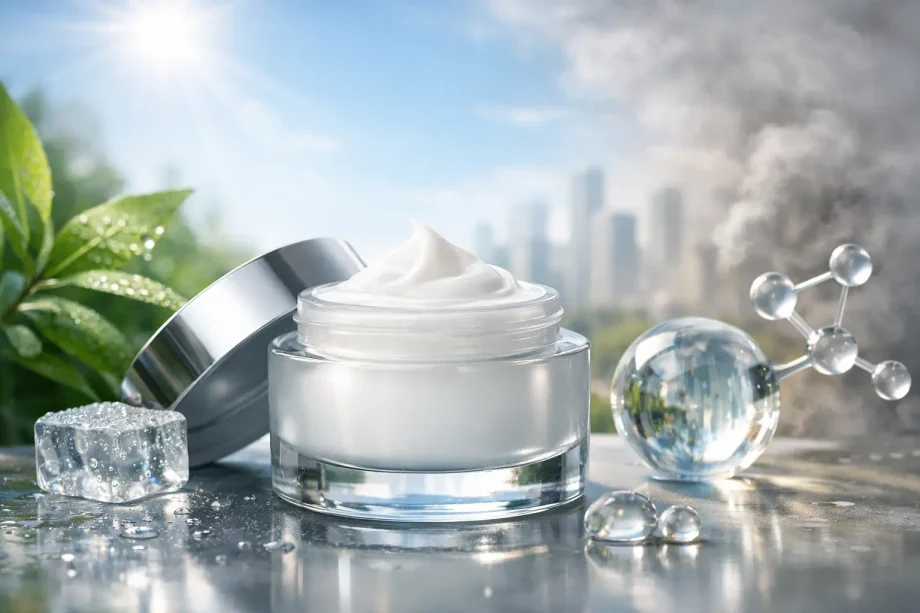
Singapore’s humidity can make skin feel coated by the end of the day, yet air-conditioned rooms, UV exposure, traffic, and long screen hours may leave it looking unexpectedly dry and flat. Excel Therapy O2 pollution defense cream is designed for this exact contradiction: skin that needs daily protection and replenishment without the feeling of a heavy, overly rich finish.
For anyone noticing a duller tone, less comfortable texture, or makeup that no longer sits as smoothly, a well-chosen daytime moisturizer can make a meaningful difference. The goal is not to promise an instant transformation. It is to give the skin the consistent support it needs to look more hydrated, rested, and naturally radiant over time.
Why pollution can show up on the skin
Pollution is not always visible, but its effects can be. Fine airborne particles can settle on the skin alongside sweat, sunscreen, makeup, and natural oil. Without thoughtful cleansing and daily care, this buildup may contribute to a complexion that feels congested, looks uneven, or loses its fresh luminosity.
Urban stress also rarely arrives alone. Sun exposure, temperature changes, late nights, and dehydration can place added pressure on the skin barrier. When the barrier is not adequately supported, skin may feel tight after cleansing, become more reactive, or appear less smooth and bouncy. These concerns can affect oily and combination skin as much as dry skin, particularly when frequent cleansing strips away comfort rather than restoring it.
A pollution-defense moisturizer belongs in a complete routine because it helps address the daily conditions that can make skin appear fatigued. It does not replace sunscreen, thorough cleansing, or professional treatment. Instead, it supports them.
What Excel Therapy O2 Pollution Defense Cream is for
The Excel Therapy O2 range from Germaine de Capuccini is centered on helping skin face environmental stress while maintaining a more comfortable, energized appearance. Excel Therapy O2 pollution defense cream is best considered a daily care step for skin affected by city living, dullness, dehydration, and early visible signs of fatigue.
Its value lies in combining protective-minded skincare with the sensorial comfort expected from a premium facial ritual. A good daytime cream should leave the complexion feeling nourished, not suffocated. It should help skin look smoother and more luminous while creating a comfortable base for sunscreen and makeup.
This makes the cream particularly relevant if your skin looks tired even when you are sleeping well, or if it feels different between time spent outdoors and hours in air conditioning. It may also suit those who want to begin preventative anti-aging care but prefer a routine that feels elegant and manageable rather than complicated.
The visible benefits to look for
Skincare results are personal, and they depend on your skin condition, routine consistency, sun habits, and the other products you use. Still, with regular application, the improvements people generally seek from a pollution-defense cream are clear: better hydration, a softer surface texture, and a complexion that appears more even and awake.
Hydrated skin reflects light more evenly, which is one reason it can look more radiant. When skin is comfortable, fine dehydration lines can also appear less noticeable and makeup tends to apply with greater ease. These are not superficial details. They often signal that your routine is supporting the skin rather than asking too much of it.
For mature skin, the cream can be a valuable part of maintaining a cushioned, well-moisturized feel throughout the day. For younger skin, it can provide a preventative approach when early dullness, uneven texture, and environmental exposure are becoming more noticeable. The right fit depends less on age alone and more on how your skin feels and behaves.
How to use the cream in a daytime routine
Apply the cream after cleansing and any water-based treatment products, such as a hydrating serum. Use a modest amount across the face and neck, then press and smooth it in with upward movements. Give it a moment to settle before applying sunscreen.
Sunscreen should remain the final skincare step in the morning. Pollution-defense care and SPF work best as partners: one supports skin comfort and resilience, while the other helps protect against the effects of UV exposure. Skipping sunscreen can limit the visible progress you hope to see from any brightening, hydrating, or anti-aging routine.
At night, remove sunscreen and makeup carefully, especially after a full day outdoors. Follow with a cleanser suited to your skin type and a restorative evening routine. If your skin feels more dehydrated in air-conditioned spaces or during travel, you may find that adding a hydrating serum beneath your cream improves comfort. If it becomes shiny by midday, the answer may be a lighter application, not necessarily abandoning hydration.
Is it right for your skin type?
Dry, normal, and mature skin often appreciate the comfort of a nourishing protective cream, particularly when dullness and tightness are regular concerns. Combination skin can also benefit, although application amount matters. Concentrate a little more product on the cheeks and less through an oily T-zone if that reflects your skin’s needs.
For very oily or congestion-prone skin, texture preference is important. A cream can still be useful when the skin is dehydrated, but an overly generous layer may feel uncomfortable in humid conditions. Start with a small amount and observe how your skin looks by midday over one to two weeks.
If your skin is sensitive, recently exfoliated, or using prescription treatments, introduce any new product gradually. A patch test is sensible, and professional guidance is especially helpful if you are experiencing persistent redness, breakouts, or irritation. Skincare should feel supportive, never like a challenge to endure.
Pairing home care with professional facials
A daily cream performs best on skin that has been thoroughly cleansed and assessed. Professional facial treatments can help address buildup, dehydration, uneven texture, and congestion in ways that a home routine alone may not fully achieve. They also create an opportunity to understand whether dullness is caused by dehydration, a compromised barrier, surface buildup, or a combination of concerns.
At Bossi Face, personalized skin analysis and therapist-led facials can help refine the routine around your actual skin condition, not a generic category. One person may need greater hydration and gentle exfoliation; another may benefit from a calming approach before introducing more active products. This individualized perspective is especially valuable when you have purchased premium skincare before but still feel unsure why results have been inconsistent.
Think of home care as the daily discipline and professional care as the reset. A facial can restore a smoother, more refreshed canvas, while consistent use of a suitable daytime cream helps maintain that cared-for look between appointments.
Making pollution defense a ritual you will keep
The most effective routine is one you can repeat comfortably. Keep the morning steps simple: cleanse, treat if needed, moisturize, and apply sunscreen. Take a few extra seconds to massage the cream across the neck and along the jawline rather than rushing through the application. That small pause can turn a practical step into a restorative moment before the day begins.
You do not need a crowded shelf to care for skin exposed to city stress. You need products that suit your concerns, a technique you can follow consistently, and room to adjust when your skin changes. Let your complexion guide the routine: if it feels comfortable, looks clearer, and holds its radiance longer through the day, you are moving in the right direction.
One thought on “Excel Therapy O2 Pollution Defense Cream”