
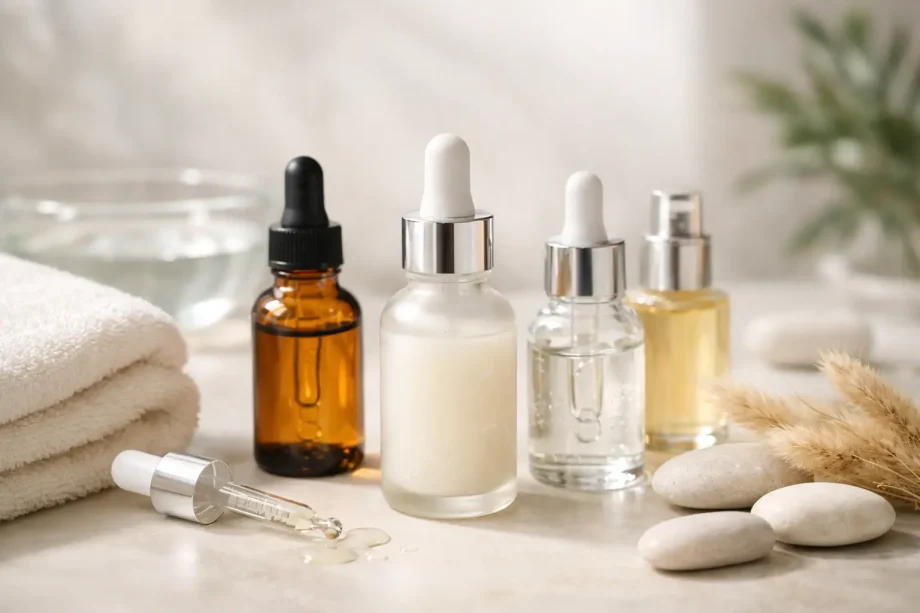
Skin that feels tight again an hour after moisturizer is not simply asking for a richer cream. It is often showing signs that its water levels, protective lipids, or both need more focused support. The best serums for dry skin help address this gap with concentrated ingredients that replenish hydration, reinforce comfort, and leave the complexion looking naturally fresh rather than coated.
For many people, dryness is most noticeable in air-conditioned rooms, after cleansing, during travel, or when skin is under stress from pollution and active treatments. A well-chosen serum can make the difference between makeup that catches on flaky areas and skin that looks smooth, rested, and softly luminous.
What dry skin needs from a serum
Dry skin has less oil naturally available to support its protective barrier. When that barrier is weakened, water escapes more easily from the skin’s surface. The result can be rough texture, fine dehydration lines, sensitivity, dullness, and a persistent feeling of discomfort.
A serum should not replace moisturizer. Think of it as the targeted treatment step beneath your cream: it delivers water-binding ingredients, barrier-supporting lipids, antioxidants, or soothing actives in a concentrated formula. Your moisturizer then helps hold those benefits in place.
The right choice depends on what your dryness looks and feels like. Skin that is dry but calm may respond beautifully to a hyaluronic acid serum layered under a nourishing cream. Skin that is dry, reactive, and easily flushed usually needs a simpler formula with soothing ingredients and barrier lipids. If dryness appears alongside loss of firmness, uneven tone, or pollution-related dullness, an antioxidant or restorative serum may be the more complete choice.
Best serums for dry skin by concern
For immediate dehydration and tightness
Look for humectants, ingredients that draw water into the outer layers of the skin. Hyaluronic acid is the most familiar example, and different molecular weights can support hydration at different levels of the skin’s surface. Glycerin, betaine, panthenol, aloe, and polyglutamic acid are also excellent options.
A humectant serum gives skin a plumper, more comfortable appearance, particularly when applied to slightly damp skin. However, it needs to be followed with moisturizer. In a dry, air-conditioned environment, using a water-based serum without a cream on top can leave skin feeling tight again later. The serum provides hydration; the moisturizer helps prevent that hydration from evaporating.
For flaking, roughness, and a compromised barrier
If your skin is dry enough to peel around the nose, mouth, or cheeks, prioritize a serum with ceramides, essential fatty acids, cholesterol, squalane, or nourishing plant oils suited to facial skin. These ingredients support the lipid structure that keeps the skin barrier cohesive and resilient.
This type of formula may feel slightly richer than a classic gel serum, but that is often a benefit for persistently dry skin. The goal is not a greasy finish. It is skin that feels supple, less reactive, and better able to retain moisture throughout the day.
Avoid introducing several strong actives at the same time while your barrier is unsettled. A powerful exfoliating acid or retinoid can be valuable in the right routine, but it may worsen flaking and sensitivity if dryness is your immediate concern. Restore comfort first, then introduce corrective products gradually with professional guidance.
For dry skin showing fine lines and loss of firmness
Dryness can make lines appear more pronounced because the skin lacks water and surface smoothness. For this concern, seek a hydrating serum with peptides, restorative antioxidants, or ingredients that support skin renewal, alongside humectants and lipids.
A professional anti-aging serum should enhance hydration while addressing the visible effects of environmental stress and time. Germaine de Capuccini’s Timexpert SRNS collection is designed around this more comprehensive approach, supporting a firmer, revitalized appearance rather than treating moisture as an isolated concern.
Be realistic about the trade-off: a serum can visibly soften dehydration lines and improve radiance, but deeper expression lines and loss of volume require a longer-term treatment plan. Consistent home care, sun protection, and targeted facial treatments create a stronger foundation for lasting improvement.
For dry, dull skin exposed to pollution
Singapore’s humidity can be deceptive. Skin may look shiny on the surface while still feeling dry, congested, or depleted underneath, especially after long days in air conditioning and regular exposure to urban pollution. In this case, a lightweight antioxidant serum may be more useful than an overly heavy oil.
Look for formulas with antioxidant support and ingredients designed to defend against environmental aggressors. Vitamin C, vitamin E, niacinamide, and selected botanical antioxidants can help improve the look of dullness while supporting a more even, radiant complexion. The Excel Therapy O2 range is particularly relevant when dryness is paired with a tired, stressed appearance and a desire for pollution-defense care.
If vitamin C stings, do not assume that all antioxidant serums are unsuitable. The formula, concentration, pH, and condition of your barrier all matter. A gentler antioxidant or a slower introduction may be a better fit.
How to apply a dry-skin serum for better results
Application technique matters more than many people realize. After cleansing, pat the skin so it is damp rather than dripping wet. Apply one or two pumps of serum across the face and neck, using light pressing motions instead of vigorous rubbing. Follow promptly with moisturizer, then sunscreen in the morning.
At night, use the same layering approach after cleansing. If you use a treatment serum containing retinol or exfoliating acids, avoid pairing it with multiple other intensive formulas until you know how your skin responds. Dry skin tends to benefit from restraint and consistency more than an overcrowded routine.
A simple routine may include a gentle cleanser, hydrating or restorative serum, moisturizer, and broad-spectrum sunscreen. Once comfort and stability improve, you can add a targeted brightening, firming, or resurfacing product as needed. This approach gives you a clearer understanding of what is helping and reduces the risk of irritation.
Signs your serum is not the right match
A serum should leave dry skin feeling more comfortable, not more challenged. Mild tingling can occur with certain active ingredients, but burning, persistent redness, worsening flakes, or a tight sensation after application are signs to pause and reassess.
Texture is also a clue. If your skin still feels parched after a humectant serum and moisturizer, you may need more barrier-supporting ingredients or a richer cream. If it feels congested under a rich oil serum, a lighter hydrating formula paired with a balanced moisturizer may be more suitable. The best texture is the one you will use consistently and that leaves your skin calm by morning.
When professional skin analysis makes a difference
Dryness is easy to misread. Some people treat dehydration with oils alone, while others repeatedly exfoliate flaky skin that is actually inflamed and barrier-impaired. A professional skin analysis can distinguish dryness from dehydration, sensitivity, congestion, or an early sign of skin aging.
At Bossi Face, personalized facial care can help identify which step is missing from your home routine, whether that is deeper hydration, gentler cleansing, antioxidant defense, or more deliberate barrier repair. A tailored facial also gives dehydrated skin the immediate comfort that home care sometimes cannot deliver alone.
The most effective serum is not necessarily the richest or the most expensive. It is the formula that meets your skin where it is now, layers well with your moisturizer, and makes comfort, softness, and natural radiance feel repeatable every day.