
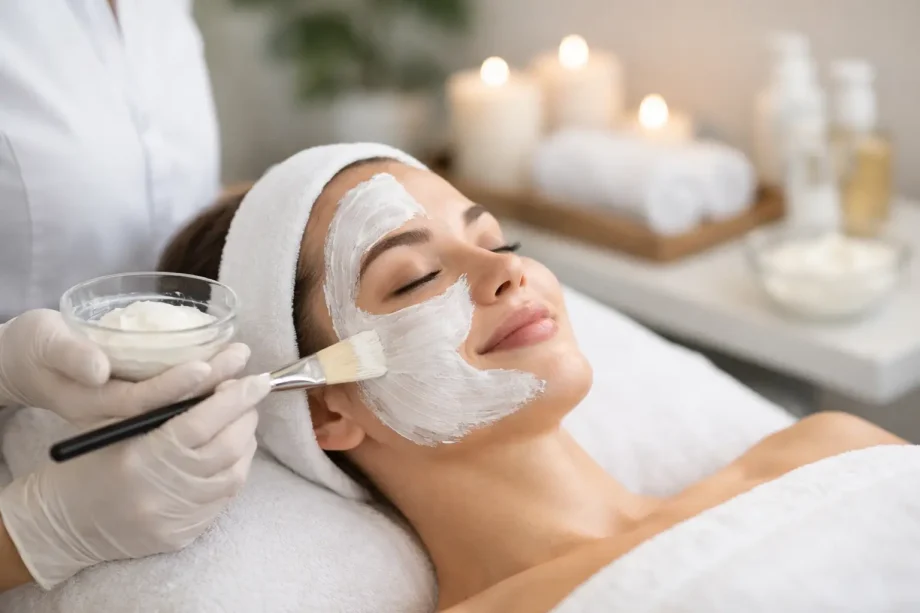
A first time facial treatment offer is more than a lower-priced introduction to a salon. It is your opportunity to understand what your skin needs when it is assessed by a trained therapist, treated with professional-grade products, and given the focused care that a rushed home routine cannot always provide. The best experience leaves your complexion looking fresher and feeling comfortable – while also giving you clear, sensible guidance for what comes next.
For many people, the concern is not simply whether a facial will feel relaxing. It is whether it will make a visible difference to dryness, congestion, dullness, uneven texture, fine lines, or the tired look that follows long workdays, air-conditioning, and city pollution. A thoughtfully designed introductory treatment should address both questions.
What a first time facial treatment offer should include
An introductory facial should begin with listening. Your therapist should ask about your current routine, skin sensitivities, recent breakouts, allergies, medications, lifestyle, and the changes you would most like to see. Skin that feels tight and flaky needs a different approach from skin that is oily but dehydrated, and a complexion with visible pigmentation should not be treated exactly like one affected by congestion.
A professional skin analysis allows the therapist to look beyond the surface. It can reveal dehydration, buildup, sensitivity, uneven tone, or signs of environmental stress that may not be obvious in the mirror. This assessment is what turns a facial from a pleasant generic service into a personalized treatment protocol.
From there, the treatment commonly includes a thorough cleanse, gentle exfoliation, targeted extractions where appropriate, concentrated hydration, and a finishing routine selected for your skin condition. A facial massage, along with neck-and-shoulder massage, adds an important restorative element. It encourages relaxation while easing the tension that can make the face appear tired or drawn.
Not every first appointment needs intense extractions or strong exfoliation. If your barrier is compromised, your skin is reactive, or you are new to professional treatments, a calmer, hydration-focused approach may deliver a better result. Skilled care means knowing when to treat actively and when to support repair first.
The visible benefits to expect after your first visit
A well-matched facial can create an immediate sense of comfort and radiance. Skin often looks more polished after surface buildup is lifted away and hydration is replenished. Makeup may apply more smoothly, and your complexion can appear clearer, softer, and more even in the days following treatment.
That said, one appointment is an introduction, not a promise to erase long-standing concerns overnight. Deeper pigmentation, persistent congestion, laxity, and established lines usually respond best to a planned course of treatments paired with consistent home care. This is not a limitation of facials. Skin renewal follows a biological rhythm, and meaningful improvement requires appropriate time and repetition.
For immediate glow before an occasion, a gentle hydration and brightening treatment may be ideal. For recurring breakouts or clogged pores, extractions and regular cleansing support may be more useful. If your main concern is dryness, fine lines, or a loss of firmness, professional formulas designed to support moisture retention and skin resilience may be the better priority.
At Bossi Face, treatment recommendations are guided by your skin condition on the day, not by a one-size-fits-all script. The goal is for you to leave with a healthy-looking glow and a clear understanding of what your skin will benefit from next.
How to prepare for your first facial appointment
Preparation does not need to be complicated. Arrive with your usual skin condition rather than trying several new products in the days before your visit. If possible, avoid aggressive scrubs, at-home peels, waxing, threading, or strong retinoid use immediately before a facial, especially if you are unsure how your skin reacts. These can make the skin more sensitive and limit which professional steps are appropriate.
Be open about anything that may affect your treatment. Mention recent sun exposure, injectable treatments, prescription skincare, pregnancy, active cold sores, eczema flare-ups, or a history of sensitivity. This information is not a barrier to care. It helps your therapist select techniques and products that keep your experience comfortable and effective.
It also helps to arrive with a realistic goal. Rather than asking for every concern to be addressed in one session, identify the issue that is bothering you most right now. Perhaps your skin feels persistently dry, your pores look congested, or you want more brightness before an event. Starting with one priority gives the treatment a clear direction.
Questions worth asking during your consultation
A good facial is collaborative. Your therapist should be able to explain what they see, why certain steps are recommended, and how your skin may respond afterward. Ask which concern is most urgent, whether your skin barrier appears stressed, and which home products are worth keeping or reconsidering.
You can also ask whether a Hydro Peel treatment, restorative facial, brightening protocol, or anti-aging treatment is the most suitable next step. The answer may change over time. Skin responds to weather, stress, travel, hormonal shifts, sleep, and product use, so your treatment plan should have room to adapt.
If product recommendations are offered, look for clear reasoning rather than pressure. Professional skincare can be valuable because it extends the effects of a salon treatment, but a thoughtful recommendation should connect to a specific concern: hydration for tightness, pollution defense for dullness, targeted eye care for dehydration lines, or restorative support for a weakened barrier. You should understand what a product does, how to use it, and whether it fits your routine before deciding.
Aftercare that protects your post-facial glow
The first 24 to 48 hours are a time to keep things simple. Your skin has just been cleansed, treated, and replenished, so avoid overloading it with exfoliating acids, physical scrubs, strong retinoids, or unfamiliar actives. Use a gentle cleanser, moisturizer, and daytime sun protection, particularly if exfoliation or extractions were part of your treatment.
A little temporary redness after extractions can be normal, particularly around the nose, chin, and areas of congestion. Resist the urge to touch or pick at the skin. Hydration, a calm routine, and protection from excessive heat and sun will help the complexion settle.
The most satisfying facial results tend to come from consistency. This does not mean booking treatments more often than your skin needs. It means following a considered schedule based on your concern, using suitable home care, and giving your skin enough time to respond. For some, a monthly facial supports maintenance; for others, a shorter series may be recommended before moving into a more spaced-out routine.
When an introductory offer is the right choice
A first-time offer is particularly useful if you have been buying products without knowing what your skin truly needs, if your routine has stopped delivering results, or if you want professional advice before investing in more advanced treatments. It also gives you a chance to evaluate the experience itself: whether the therapist explains each stage, whether your skin feels respected, and whether the environment allows you to genuinely relax.
Choose an appointment when you can give yourself a little breathing room afterward, especially if it is your first professional facial or you are prone to sensitivity. Avoid scheduling immediately before an important event if you expect extractions or are trying a new treatment for the first time. A few days of space lets your skin settle into its refreshed, well-hydrated appearance.
Your first facial should feel like the beginning of more informed skincare, not a complicated commitment. Let the consultation guide the treatment, let your skin set the pace, and allow the ritual to be a moment of care that shows on your complexion long after you leave.