
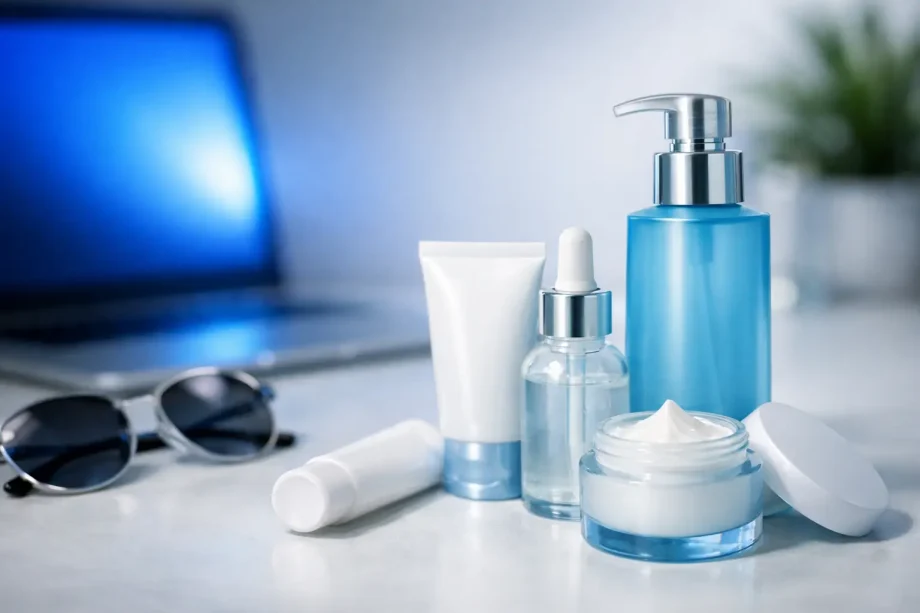
Your screen may be the most visible source of blue light in your day, but it is not necessarily the one placing the greatest demand on your skin. Sunlight delivers far more high-energy visible light than a laptop or phone. For skin prone to dullness, uneven tone, or persistent pigmentation, choosing blue light skincare protection products is less about fearing technology and more about building a thoughtful defense against daily environmental stress.
The right routine should feel comforting, not complicated. It should protect skin in the morning, support its recovery at night, and work with your individual concerns – whether that is dehydration from air-conditioned rooms, city pollution, early fine lines, or a complexion that loses its natural radiance easily.
What blue light can mean for your skin
Blue light is part of the visible light spectrum. It comes from the sun, digital devices, and certain indoor lighting sources. Research around visible light and skin is still evolving, but there is a meaningful distinction worth making: sunlight exposure is the primary concern, while the blue light emitted by everyday screens is comparatively low.
For some people, particularly those managing melasma, post-inflammatory marks, or uneven pigmentation, visible light may contribute to darkening and an uneven-looking complexion. It can also add to the broader oxidative stress created by UV exposure, heat, pollution, stress, and a demanding lifestyle. This is why protection should not be positioned as a screen-only solution.
A well-chosen routine takes a wider view. It supports the skin barrier, helps neutralize oxidative stress, and provides daily sun protection that addresses both UV and visible light exposure. The result is not an overnight transformation. With consistent care, skin can look more hydrated, calmer, and more luminous, with a more even appearance over time.
Blue light skincare protection products: what matters most
Marketing can make blue light protection sound like a separate skincare category requiring an entire shelf of products. In reality, a few well-selected formulas can make a greater difference than layering several products with overlapping claims.
Start with daily broad-spectrum sunscreen
Sunscreen remains the foundation of any daytime protection routine. A broad-spectrum SPF 30 or higher helps defend against UVA and UVB exposure, both of which are strongly associated with premature visible aging, discoloration, and loss of firmness.
For those especially concerned about visible-light-induced pigmentation, a tinted sunscreen containing iron oxides is often a smart consideration. Iron oxides create a tint that can help shield against portions of visible light while evening the look of the complexion. This can be particularly helpful for skin that tans easily or develops stubborn dark marks after blemishes.
The trade-off is personal preference. Some tinted formulas do not suit every skin tone, may feel too rich in humid weather, or can be difficult to reapply over makeup. A sunscreen you enjoy wearing generously every day is more valuable than a technically impressive formula that stays unopened in a drawer.
Add antioxidants beneath your SPF
Antioxidant serums are valuable partners to sunscreen because they help address oxidative stress before it becomes visible as a tired, lackluster complexion. Vitamin C is a familiar choice, valued for brightening support and its ability to complement sun protection. Vitamin E, ferulic acid, niacinamide, and other protective botanical or biotechnological ingredients can also help support the skin’s resilience.
If your skin is sensitive, do not assume that the strongest vitamin C percentage is the best option. A gentler, stable formula used consistently can offer more benefit than a highly concentrated serum that causes stinging, redness, or dryness. Skin that is inflamed is less likely to look radiant, no matter how advanced the active ingredient sounds.
Choose barrier-supporting hydration
Environmental exposure is not only about pigmentation. It can leave skin feeling tight, rough, and less reflective of light. Hydration is what gives the complexion its supple, rested appearance.
Look for moisturizers with ingredients that help reinforce comfort and barrier function, such as hyaluronic acid, glycerin, ceramides, and soothing plant-derived extracts. A quality moisturizer helps reduce the feeling of dryness that can make fine lines look more pronounced and makeup sit unevenly.
For many clients, this is where professional skincare makes a noticeable difference. The best formula is not simply rich or lightweight. It is matched to whether your skin is oily but dehydrated, dry and reactive, congested, or showing visible signs of aging.
Support repair in the evening
Nighttime is the ideal moment to focus on renewal rather than more protection. After cleansing away sunscreen, makeup, and the residue of the day, choose ingredients that support a smoother, more even-looking complexion.
Retinoids, peptides, gentle exfoliating acids, and restorative creams can all have a place, depending on your skin’s tolerance and goals. Retinoids may help improve the appearance of fine lines, texture, and discoloration, but they should be introduced gradually. Overusing them can compromise comfort and trigger flaking, which is not a shortcut to better skin.
If your skin is currently dry, sensitized, or recovering from an intensive treatment, a nourishing repair-focused cream may be the better choice. Effective skincare is not about using every active ingredient at once. It is about knowing when your skin needs correction and when it needs restoration.
A realistic routine for screen-heavy days
A protective routine does not need extra steps every time you open your laptop. It needs consistency in the moments that matter. In the morning, cleanse gently, apply an antioxidant or hydrating serum, moisturize if needed, and finish with broad-spectrum sunscreen. If pigmentation is a key concern, consider a tinted formula with iron oxides.
During the day, reapply sunscreen when you are outdoors, near windows for extended periods, perspiring, or spending time in strong daylight. If you work inside all day away from windows, obsessively applying sunscreen solely because of your monitor is usually unnecessary. Your product choice should reflect your total exposure, not social-media anxiety.
In the evening, cleanse thoroughly and use a repair-focused serum or treatment appropriate for your skin. Follow with a moisturizer that leaves your skin comfortable by morning. A routine that causes continual tightness, burning, or peeling needs adjustment, not more persistence.
Why a professional skin analysis helps
Blue light concerns often overlap with other issues: dehydration, surface congestion, post-breakout marks, sun damage, and stress-related dullness can all make the complexion appear uneven. That is why a personalized skin analysis is more useful than selecting products based on one label claim.
At Bossi Face, therapist guidance can help identify whether your skin needs stronger daytime defense, more consistent hydration, targeted brightening support, or a restorative facial treatment to reset its balance. Professional facials and carefully selected home care work best together. A treatment may deliver a more immediate fresh glow, while your daily routine protects and maintains that visible progress.
In Singapore’s heat, humidity, and year-round sun exposure, it is especially helpful to choose textures that your skin will comfortably wear every day. A beautiful sunscreen or antioxidant product only performs when it becomes part of your routine.
When to simplify rather than add more
If your skin suddenly becomes itchy, red, persistently dry, or increasingly congested, pause before adding another blue light product. The problem may be over-exfoliation, an unsuitable sunscreen texture, fragrance sensitivity, or too many active ingredients competing in one routine.
Return to the essentials for several days: gentle cleanser, barrier-supporting moisturizer, and sunscreen in the morning. Once the skin feels settled, reintroduce one treatment product at a time. This approach makes it easier to understand what your complexion truly responds to and protects the investment you make in premium skincare.
The most effective protection is not a single miracle formula. It is the quiet discipline of wearing sunscreen, nourishing your barrier, and giving your skin professional attention when it needs more than a quick fix. That is how daily defense becomes lasting radiance.