
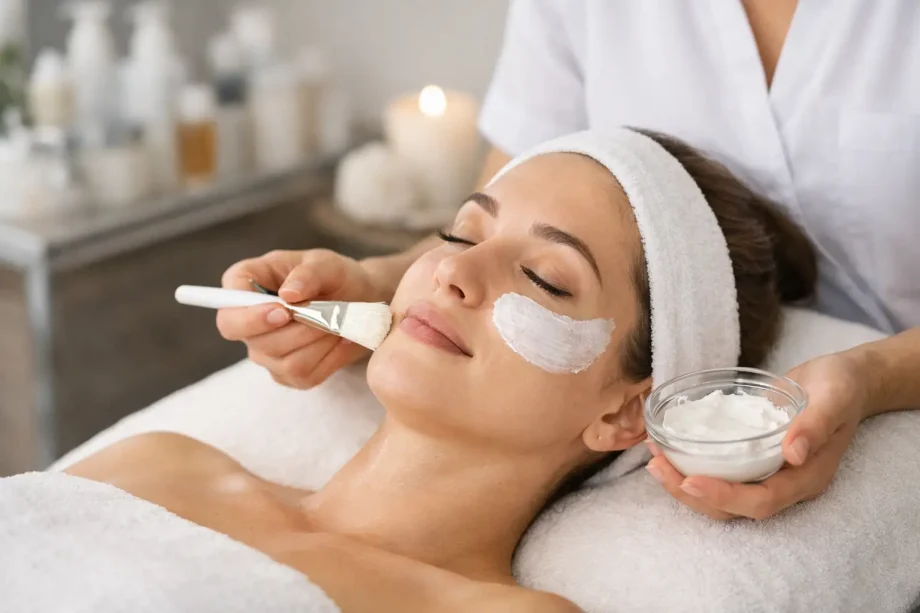
A professional facial should never feel like a guessing game. Your skin may be dry yet congested, sensitive yet dull, or showing the first signs of fine lines and uneven tone. This beginner guide to professional facials explains what a thoughtful treatment looks like, what results to expect, and how your therapist turns a relaxing appointment into care that supports your skin long after you leave.
A facial is not simply a cleanse followed by a mask. At its best, it is a personalized treatment protocol built around your current skin condition, lifestyle, sensitivities, and goals. That distinction matters, especially if you have spent time trying products that promised radiance but left your skin feeling tight, reactive, or unchanged.
What Happens During a Professional Facial?
Your first appointment usually begins before the treatment bed. A knowledgeable therapist will ask about your skincare routine, allergies, medications, recent treatments, sun exposure, and the concerns you would most like to address. Be candid here. Retinol, prescription acne treatments, recent waxing, chemical peels, and injectables can all affect which steps are appropriate.
A skin analysis follows. Your therapist looks beyond surface dryness or shine to assess concerns such as congestion, dehydration, sensitivity, pigmentation, loss of firmness, and uneven texture. Skin can change with stress, travel, hormonal shifts, air conditioning, and pollution exposure, so a treatment that suited you six months ago may not be the right choice today.
The facial itself commonly includes a thorough cleanse, exfoliation, extractions when suitable, a treatment serum or concentrate, a mask, moisturizer, and sun protection for daytime appointments. Many professional facials also include facial massage and neck-and-shoulder massage. These moments feel indulgent, but they also support circulation, ease facial tension, and give you the quiet pause that makes skincare feel restorative rather than transactional.
The products and techniques vary according to your skin. A dehydrated complexion may benefit from moisture-binding ingredients and replenishing masks. Dull, stressed skin may need antioxidant support and gentle resurfacing. Congested skin may respond well to careful cleansing and extractions, while sensitive skin often needs a more protective, calming approach.
Extractions: Helpful, but Not Always Necessary
Many first-time clients assume a facial is incomplete without extractions. In reality, they are one tool, not a requirement. When blackheads and congestion are present, precise extractions by a trained therapist can help clear pores without the damage caused by picking at home.
However, aggressive extractions can irritate inflamed, fragile, or highly reactive skin. A professional should know when to leave an area alone and focus instead on reducing inflammation, strengthening the skin barrier, and planning a gradual course of treatment. A few temporary red marks after extractions can be normal, but severe discomfort or prolonged irritation is not the goal.
Choosing the Right Professional Facial for Your Skin
You do not need to arrive knowing the name of every treatment. You do need a clear sense of what you want to improve. Tell your therapist whether your priority is hydration, visible pores, breakouts, post-acne marks, pigmentation, fine lines, a lack of glow, or simply skin that feels tired and unbalanced.
For a first facial, a customized treatment is usually a better choice than selecting the strongest exfoliation or most intensive technology on a menu. Stronger is not automatically better. If your skin barrier is compromised, an aggressive peel may create more dryness and sensitivity. If your skin is resilient and congested, deeper cleansing or a Hydro Peel treatment may offer more immediate clarity and smoothness.
A Hydro Peel can be particularly appealing when your skin feels rough, congested, or lackluster. The treatment typically combines cleansing, exfoliation, hydration, and pore-focused care in a controlled process. Results may include a fresher surface texture and a more hydrated-looking glow, though the right intensity still depends on your skin’s sensitivity and current condition.
For concerns linked to environmental stress, dullness, or early signs of aging, professional ranges such as Germaine de Capuccini may be incorporated into a tailored ritual. Antioxidant, brightening, and restorative formulas can complement hands-on care, especially when your therapist matches them to what your skin needs rather than following a one-size-fits-all routine.
How to Prepare for Your First Facial
Preparation is simple, but it can make a difference. Avoid experimenting with new active ingredients in the days before your appointment. If you use retinoids, exfoliating acids, or strong acne treatments, ask the salon whether you should pause them beforehand. The answer depends on the product strength, your skin’s tolerance, and the facial planned.
Try not to schedule waxing, laser treatments, or an intensive facial too close together. Freshly waxed or treated skin is more vulnerable to irritation. If you have a special event, plan your first facial at least several days in advance rather than the night before. Even a gentle treatment can occasionally bring mild redness to the surface, particularly after extractions.
Come with a bare face if convenient, but do not worry if you are wearing makeup. Proper cleansing is part of the service. More importantly, arrive ready to share the full picture of your skincare. The details that seem minor, such as a new eye cream that stings or a recent beach weekend, help your therapist make safer, more effective decisions.
What Results Can You Expect After One Appointment?
Many people notice softer, smoother skin and a more rested-looking glow immediately after a facial. Makeup may sit more evenly, and dehydration lines can look less apparent when the skin has been thoroughly replenished. That immediate brightness is one reason professional facials are popular before celebrations and important occasions.
But one facial is not a permanent correction for pigmentation, persistent acne, deep lines, or chronic sensitivity. Lasting improvement comes from a considered plan: the right treatment frequency, professional adjustments as your skin changes, and home care that supports the work done in the treatment room.
Think of your facial as a reset and a professional check-in. It gives your therapist the chance to monitor progress, identify patterns, and refine your routine before a small concern becomes harder to manage. For some clients, monthly appointments are appropriate. Others may benefit from a short series of targeted treatments followed by maintenance visits. Frequency depends on your goals, budget, skin tolerance, and schedule.
Professional Facials and Home Care Work Together
The most effective home routine does not need ten products. It needs the right products used consistently. A gentle cleanser, moisturizer, daytime sun protection, and one or two targeted treatments may be more beneficial than a crowded shelf of overlapping actives.
After a facial, your therapist may recommend products that reinforce the treatment’s purpose, whether that means hydration, barrier support, brightening, pollution defense, or firming care. Personalized recommendations should feel educational, not pressured. Ask what each product does, how often to use it, which existing product it replaces, and how long it may take to see changes.
Sun protection deserves special attention. Exfoliation and brightening treatments can make diligent daytime protection even more essential. Without it, UV exposure can worsen uneven tone and undermine the progress you are working toward. Apply sunscreen generously every morning, including on the neck, and reapply when you are outdoors for extended periods.
When to Contact a Professional
Some reactions require more than a standard facial adjustment. If you experience persistent burning, swelling, hives, a widespread rash, or worsening inflammation, stop using new products and seek appropriate medical advice. A facial therapist can guide cosmetic skincare choices, but severe acne, eczema flares, rosacea, or suspected allergies may need assessment from a dermatologist.
A good professional relationship respects that boundary. The goal is healthy, comfortable skin, not pushing through discomfort in pursuit of a quick glow.
Your Beginner Guide to Professional Facials: The Best First Step
Your first facial should leave you feeling cared for, informed, and comfortable in your own skin. Ask questions, share your concerns honestly, and allow the treatment to be tailored rather than rushed. The visible glow is lovely, but the real value is learning what your skin responds to and building a routine that keeps supporting it between appointments.
Let your first treatment be the beginning of a calmer, more informed relationship with your skin – one guided by professional care, realistic expectations, and rituals you can genuinely enjoy.