
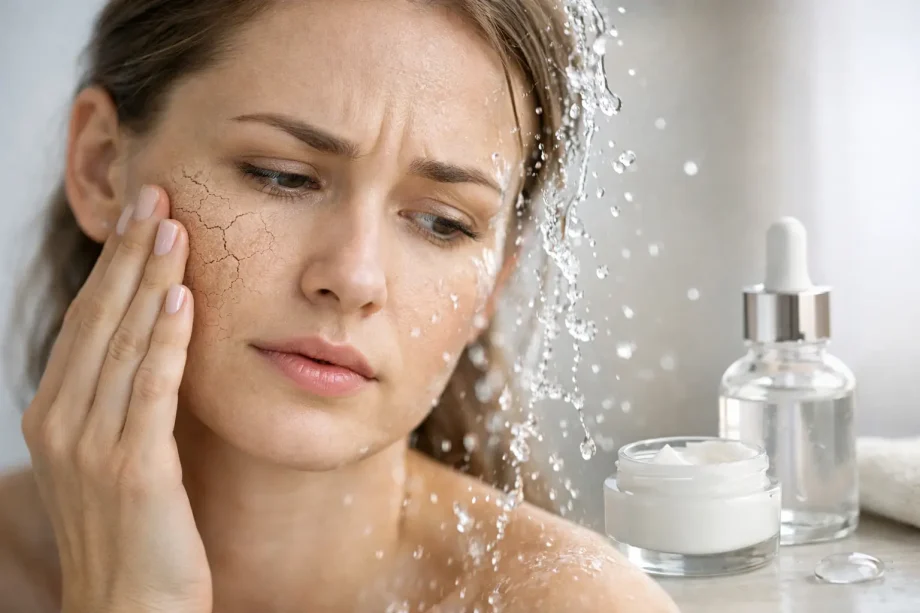
Your skin can look shiny by lunchtime and still feel tight after cleansing. It can absorb a serum instantly yet develop fine, makeup-catching lines by afternoon. These are common signs that skin hydration needs more than another layer of cream. It needs a routine that helps water enter the skin, stay there, and remain protected from the daily stressors that quietly weaken the skin barrier.
For many people, dehydration is mistaken for dryness. The distinction matters because it changes what your skin needs. A thoughtfully chosen home routine, supported by professional treatment when needed, can restore the supple, comfortable look that makes skin appear naturally radiant rather than simply coated in product.
Skin hydration and dryness are not the same concern
Hydration refers to water content in the skin. When skin is dehydrated, it lacks water and may look dull, feel tight, show more noticeable fine lines, or produce excess oil as it tries to compensate. Dehydration can affect every skin type, including oily and combination skin.
Dryness, on the other hand, describes a lack of skin-smoothing oils and lipids. Dry skin often feels rough, flaky, or uncomfortable, particularly around the cheeks, nose, and mouth. A person can have naturally oily skin that is dehydrated, or dry skin that is both lipid-deficient and dehydrated.
This is why a richer moisturizer is not always the complete answer. If the skin has not received enough water-binding ingredients, a heavy cream may feel comforting at first but fail to create the fresh, bouncy finish you want. Conversely, a lightweight hydrating serum alone may not be sufficient if the barrier is allowing moisture to escape too quickly.
Why skin loses its healthy water balance
In Singapore’s heat and humidity, skin can be exposed to a misleading cycle: perspiration and surface oil create the impression of moisture, while air conditioning, frequent cleansing, sun exposure, and pollution leave the complexion depleted underneath. Long days indoors can be just as challenging as time outside.
Cleansers that leave the face squeaky-clean, excessive exfoliation, and using too many active products at once can all disrupt the barrier. The skin’s protective surface is made up of cells and lipids that work together to limit transepidermal water loss. When this structure is compromised, moisture escapes more easily and the skin becomes reactive, uneven, or persistently tight.
Stress, poor sleep, hormonal shifts, and age also influence how efficiently skin retains moisture. As the skin matures, its natural reserves of hyaluronic acid, lipids, and supportive proteins change. Fine lines may appear more visible not only because of aging, but because dehydrated skin has lost some of its surface fullness.
The goal is not to chase an unrealistic glass-skin finish. It is to help your complexion feel calm, flexible, and balanced, with a smoother texture and more even light reflection.
Build a routine that holds hydration in place
A reliable routine should be consistent, not crowded. Start with a gentle cleanse that removes sunscreen, makeup, oil, and urban buildup without leaving the skin stripped. If your face feels uncomfortably tight within minutes of washing, your cleanser or cleansing method may be too aggressive for your current condition.
Apply hydrating products while skin is still slightly damp. Humectants such as hyaluronic acid, glycerin, and certain algae or botanical extracts attract and bind water in the upper layers of the skin. They are particularly useful when the complexion feels flat, tight, or temporarily more lined.
Then add a moisturizer suited to your skin type. Look for formulas that combine hydration with barrier-supporting emollients and lipids. These ingredients soften the skin and reduce moisture loss, helping the benefits of your serum last longer. Oily skin often prefers gel-cream textures, while dry or mature skin may need a more nourishing cream, especially at night.
In the morning, sunscreen is part of hydration care, not an optional final step. UV exposure can weaken the barrier and contribute to uneven tone, roughness, and premature visible aging. In a climate where daylight exposure is frequent, daily sun protection helps preserve the results of every other step.
At night, choose your active ingredients with restraint. Retinoids, exfoliating acids, and brightening ingredients can be highly valuable, but overuse can lead to stinging, flaking, and dehydration. If you are introducing a new active, alternate it with restorative nights focused on hydration and comfort. More intensity is not always more effective.
When professional care makes a visible difference
At-home skincare maintains the skin day by day, but a professional facial can offer a more precise response when dehydration is accompanied by congestion, dullness, rough texture, or sensitivity. A therapist can assess whether the skin needs exfoliation, extraction, calming care, intensive moisture support, or a gentler approach while the barrier recovers.
This individualized approach is especially valuable when your skin seems to change from month to month. A routine that worked well during a busy outdoor period may feel too light during weeks spent in strong air conditioning. Similarly, skin using corrective anti-aging products may need additional restorative care to remain comfortable and receptive.
A treatment that combines thorough cleansing, measured exfoliation, hydration-focused masks or serums, and facial massage can improve the immediate look of dull, fatigued skin. The massage element is more than a moment of relaxation: when performed correctly, it supports circulation and leaves the complexion looking refreshed. The best visible results, however, come from matching that professional treatment to a realistic home-care plan.
At Bossi Face, skin analysis helps guide this decision rather than treating every complexion the same way. A hydration concern may call for a moisture-replenishing ritual, while congested but dehydrated skin may need a carefully balanced treatment that clears buildup without causing further dryness.
Signs your routine needs adjusting
Your skin does not need to be visibly peeling before you respond to dehydration. Early signals are often subtle: foundation separating around the nose, a tight feeling after showers, increased sensitivity to familiar products, or a complexion that looks tired despite sleeping well.
Pay attention to how skin feels, not just how it looks. If you are using several exfoliating products, simplify for one to two weeks and prioritize a gentle cleanser, hydrating serum, moisturizer, and sunscreen. If you have persistent redness, itching, cracking, or burning, avoid adding more actives and seek individualized professional or medical advice.
There is also a difference between temporary dehydration and a product reaction. A little tightness after a long flight or a week of poor sleep may improve with gentle hydration and rest. Ongoing discomfort after a new serum, acid, or retinoid may indicate that the formula, frequency, or combination of products is not right for your skin.
Make hydration a daily skin ritual
Lasting results rarely come from a single mask or facial appointment, though both can provide a welcome immediate boost. They come from the small, repeated choices that protect your skin from being pushed into a cycle of stripping, overcorrecting, and recovering.
Choose textures your skin enjoys using, give active ingredients time to work, and adjust your routine when the season, environment, or your skin’s comfort changes. When skin is properly supported, hydration becomes less about chasing a temporary glow and more about maintaining the healthy, resilient radiance that lets your complexion look rested even on demanding days.