
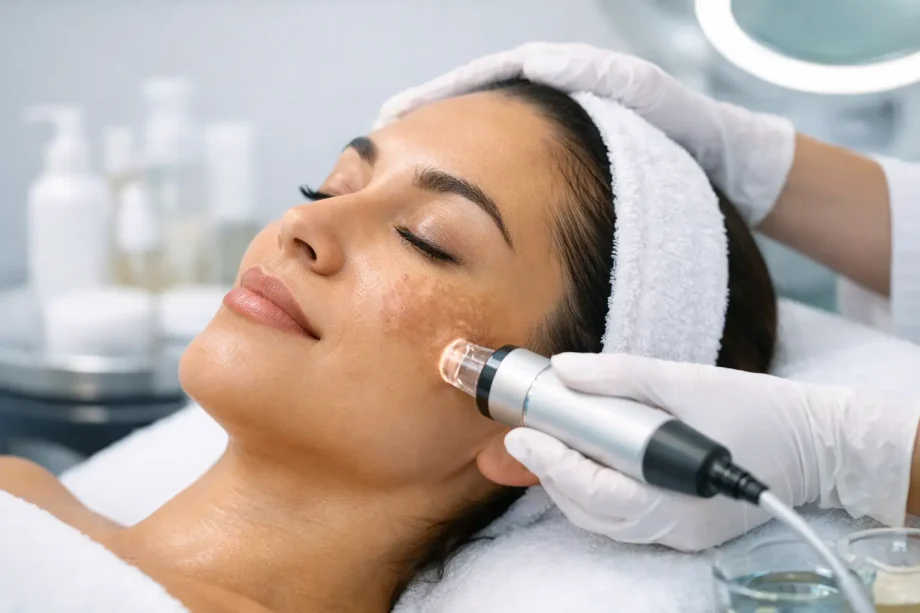
Uneven tone rarely appears as one simple concern. It may look like lingering post-breakout marks along the jawline, sun-related spots across the cheeks, redness around the nose, or a general grayness that makes skin seem tired even after a full night’s rest. A personalized facial treatment for uneven tone addresses these visible differences without treating every complexion the same way.
The most effective approach begins with understanding what is changing the look of your skin. Pigment, dehydration, congestion, sensitivity, and environmental stress can all contribute to an uneven-looking complexion. A professional facial creates the space to assess those factors, restore comfort, and build a treatment plan that supports a clearer, more luminous appearance over time.
Why Skin Tone Can Start Looking Uneven
Skin tone is influenced by more than sun exposure, although ultraviolet light is a significant factor. In Singapore’s humid climate, daily heat, pollution, air conditioning, and high UV exposure can place ongoing stress on the skin barrier. When skin is dehydrated or reactive, it may look dull, flushed, or patchy. When dead cells build up on the surface, even healthy skin can lose the light-reflecting quality associated with a fresh glow.
Hyperpigmentation develops when the skin produces excess melanin in response to triggers such as sun exposure, inflammation, friction, hormonal changes, or blemishes. Those darker areas can remain visible long after a breakout has healed. At the same time, congestion and uneven texture create tiny shadows across the face, making tone appear less uniform than it truly is.
This is why a brightening treatment should not rely on exfoliation alone. Over-exfoliating skin that is already dry, sensitized, or inflamed can worsen redness and compromise its protective barrier. The right protocol balances renewal with hydration, soothing care, and daily protection.
What a Facial Treatment for Uneven Tone Should Include
A professional treatment works best when each stage has a clear purpose. Rather than applying a one-size-fits-all brightening mask, an experienced therapist considers the condition of your skin on that day: whether it feels tight, congested, oily, sensitive, dehydrated, or affected by recent breakouts.
Skin analysis before active treatment
The first step is a close assessment of tone, texture, pore congestion, sensitivity, and hydration. Two people may both describe their concern as dark spots, but one may need barrier-focused hydration before any intensive exfoliation, while another may benefit from careful extraction and resurfacing. This assessment helps prevent the common mistake of using strong active ingredients too quickly.
A thoughtful consultation should also account for your routine, sun habits, medication, recent aesthetic treatments, and skin reactions. These details guide the choice of products and help set realistic expectations. Some visible brightness can appear immediately after a facial, while established pigmentation generally needs consistent care over several weeks and months.
Cleansing and gentle exfoliation
Thorough cleansing removes sunscreen, makeup, oil, and urban pollutants that can leave skin looking flat. It prepares the surface so the rest of the treatment can perform more effectively.
Exfoliation then helps lift the buildup of dull surface cells. Depending on your skin’s needs, this may involve enzymatic exfoliation, a gentle acid-based step, or a professional peel protocol. The goal is not to create excessive peeling. It is to refine the surface, support smoother texture, and allow skin to reflect light more evenly.
For reactive or compromised skin, gentler renewal may be the wiser choice. Results can be more gradual, but preserving skin comfort is always more valuable than forcing a dramatic short-term response.
Extraction when congestion is affecting clarity
Blackheads, blocked pores, and persistent congestion can make the complexion look rough and shadowed. Skilled extractions, performed only where appropriate, can improve the appearance of pore clarity without aggressive squeezing at home. This step is particularly helpful for skin that feels oily through the T-zone but still looks dehydrated or lackluster elsewhere.
Not every uneven-tone facial requires extraction. If the skin is inflamed, irritated, or dealing mainly with pigmentation and dryness, reducing manipulation may be preferable. Treatment should respond to the skin in front of the therapist, not follow a fixed sequence out of habit.
Brightening, hydration, and barrier support
After surface renewal, the skin needs replenishment. Professional brightening formulas may feature antioxidants, hydrating ingredients, and targeted complexes that support a more radiant, even-looking complexion. Antioxidant care is especially valuable for urban lifestyles because it helps defend skin against oxidative stress associated with pollution and environmental exposure.
Hydration is equally essential. Well-hydrated skin looks smoother and more reflective, so fine lines and rough patches become less noticeable. A restorative mask, concentrated serum, and tailored moisturizer can leave the skin looking plumper and more comfortable, not merely polished for a few hours.
At Bossi Face, personalized facial protocols can combine professional cleansing, exfoliation, hydration, and targeted care with Germaine de Capuccini formulas selected for your skin’s current needs. The experience is designed to deliver visible freshness while respecting the long-term health of the skin barrier.
Massage that supports both radiance and relaxation
Facial massage is not simply an indulgent final touch. When performed with appropriate products and pressure, it supports circulation and helps ease the facial tension that can make features look drawn or fatigued. The result is often an immediate sense of comfort and a rested, healthy-looking glow.
A neck-and-shoulder massage can make the appointment feel even more restorative. Stress does not directly cause every dark spot, but it can affect sleep, skin habits, inflammation, and how tired the complexion appears. A facial should offer results, but it should also give you a genuine pause from the pace of the week.
How Many Treatments Will You Need?
It depends on the cause and depth of the unevenness. If dullness is mainly caused by dehydration, surface buildup, or recent congestion, skin may look clearer and more radiant after one well-chosen treatment. This immediate improvement is often the result of refined texture, replenished moisture, and more effective removal of surface impurities.
Pigmentation caused by repeated sun exposure or post-inflammatory marks requires more patience. A series of facials, paired with consistent home care and diligent broad-spectrum sunscreen, generally gives a more meaningful and lasting improvement than a single intensive appointment. Your therapist can recommend a sensible schedule based on sensitivity, lifestyle, and the level of correction you want.
Avoid judging progress only by whether dark spots disappear overnight. Better hydration, reduced dullness, smoother texture, and fewer new marks are all valuable signs that the skin is moving in the right direction.
The Home Care That Protects Your Results
A salon facial can reset the skin, but the days between appointments determine how well that result is maintained. The most essential step is daily broad-spectrum sunscreen, applied generously and reapplied when you are outdoors or exposed to strong daylight. Brightening products have limited value if ongoing UV exposure continues to encourage excess pigment production.
Keep your routine purposeful rather than crowded. A gentle cleanser, an antioxidant or brightening serum suited to your skin, a barrier-supporting moisturizer, and sunscreen provide a reliable foundation. If you use retinoids, exfoliating acids, or other active products, introduce them carefully. More products do not necessarily lead to a more even tone, particularly when irritation is part of the problem.
Blue-light exposure, city pollution, and indoor air conditioning can also leave skin looking depleted. Protective antioxidant care and regular hydration can help your complexion feel more resilient between treatments. Your therapist can help you choose products that complement the professional protocol rather than compete with it.
When to Seek Professional Guidance First
A facial is appropriate for many common concerns, but some changes should be assessed by a medical professional. Seek advice from a dermatologist if you notice a new or rapidly changing dark mark, persistent itching, pain, bleeding, severe acne, or a rash that does not settle. Professional skincare supports cosmetic concerns and skin wellness, but it does not replace medical diagnosis.
For everyone else, the most rewarding path is usually a measured one: analyze the skin, choose an appropriate treatment, protect it daily, and allow consistency to do its work. A well-planned facial appointment can be the moment your complexion begins to look not just brighter, but calmer, healthier, and more like your own skin at its best.