
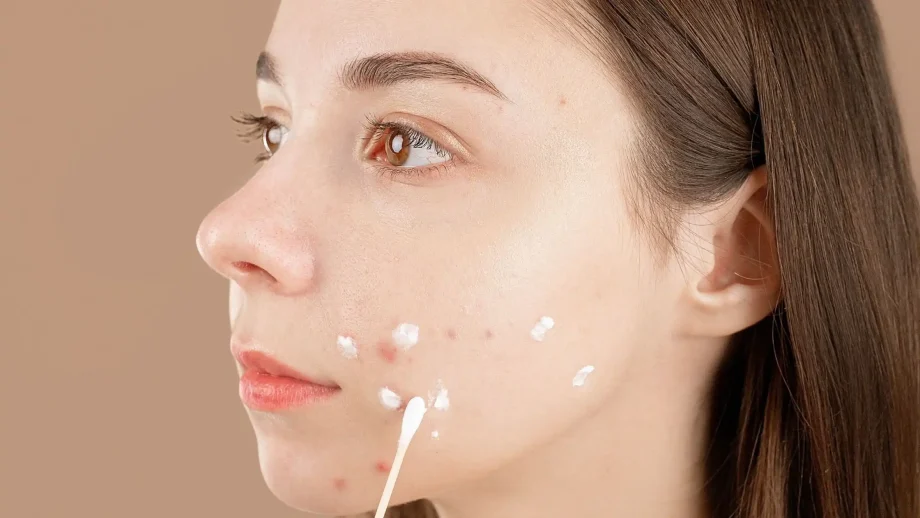
Dealing with pimples can feel like an uphill battle, especially when you’re trying to find a product that truly works.
With Singapore’s hot and humid climate, acne-prone skin often faces additional challenges.
If you’re searching for the best pimple cream in Singapore, this guide will help you discover top products, understand their benefits, and choose the right solution for your skin.
What Causes Acne in Singapore’s Climate?
Before diving into recommendations, let’s understand why acne can be so persistent in Singapore.
The combination of high humidity, pollution, and constant exposure to sweat can lead to clogged pores, excess sebum production, and bacterial growth.
These factors make finding the right skincare products, like the best acne cream in Singapore, essential for maintaining clear skin.
Active Ingredients to Look for in the Best Pimple Cream
When choosing the best pimple cream, don’t focus only on the product name or how quickly it claims to work. The ingredients in the formula are much more important because different ingredients target different causes of acne.
Acne can develop when excess oil, dead skin cells, bacteria, and inflammation combine to clog or irritate the pores.
Some ingredients help clear clogged pores, while others reduce acne-causing bacteria, control oil production, calm inflammation, or prevent new breakouts.
Here are some of the most useful key ingredients to look for in acne creams and pimple treatments.
1. Salicylic Acid
Best for: Whiteheads, blackheads, clogged pores and oily skin
Salicylic acid is one of the most common ingredients found in over-the-counter acne treatments. It is a type of beta-hydroxy acid (BHA) and is particularly useful for people who experience clogged pores, blackheads, and whiteheads.
One of the main reasons salicylic acid is effective for acne is that it is oil-soluble. This allows it to penetrate into pores and help loosen the mixture of sebum and dead skin cells that can cause blockages.
When pores become clogged, they can develop into comedones such as whiteheads and blackheads. By helping remove this buildup, salicylic acid can make it harder for pores to become blocked.
It also has anti-inflammatory properties, which can help reduce the redness and swelling associated with some breakouts.
How it helps acne:
- Helps unclog blocked pores
- Removes excess dead skin cells
- Helps reduce blackheads and whiteheads
- Can help control excess oil
- May reduce inflammation around breakouts
Salicylic acid is particularly useful if your main concern is oily skin, blackheads, or whiteheads rather than large, deep cystic acne.
How to use it: Start with a lower concentration and use it gradually, especially if you have dry or sensitive skin. Using too much can cause dryness, peeling, or irritation.
2. Benzoyl Peroxide
Best for: Red, inflamed pimples and inflammatory acne
While salicylic acid is particularly useful for clogged pores, benzoyl peroxide is better known for targeting the bacteria and inflammation associated with acne.
Acne-causing bacteria can contribute to inflammation inside blocked pores. Benzoyl peroxide works by releasing oxygen in the skin, creating an environment that is unfavorable for Cutibacterium acnes, one of the bacteria associated with acne.
This makes benzoyl peroxide particularly useful for red, swollen, and inflamed pimples.
Unlike some ingredients that mainly help prevent clogged pores, benzoyl peroxide directly targets one of the factors involved in inflammatory acne.
How it helps acne:
- Reduces acne-associated bacteria
- Helps calm inflammatory breakouts
- Can reduce the number of inflamed pimples
- Helps prevent new inflammatory lesions from developing
Benzoyl peroxide can be especially useful as a targeted acne treatment when you have a few large, red pimples.
However, it can be drying and irritating, particularly when combined with other strong acne treatments. It can also bleach fabrics such as towels, pillowcases, and clothing.
How to use it: If you are new to benzoyl peroxide, start gradually and use moisturizer to help minimize dryness. Avoid applying large amounts — more product does not necessarily mean faster results.
3. Niacinamide
Best for: Oily, acne-prone or sensitive skin, redness and post-acne marks
Niacinamide, also known as vitamin B3, is a versatile skincare ingredient that can be useful for people who experience acne alongside excess oil, redness, or an easily irritated skin barrier.
Unlike benzoyl peroxide or salicylic acid, niacinamide does not primarily work by killing acne-causing bacteria or exfoliating clogged pores. Instead, it can help support the skin barrier, regulate excess sebum, and reduce the appearance of redness and uneven skin tone.
This makes it particularly interesting for people who find traditional acne treatments too drying.
Niacinamide may also help improve the appearance of post-acne marks over time, which are often left behind after pimples heal.
How it helps acne-prone skin:
- Helps regulate excess sebum
- Supports the skin barrier
- Can reduce the appearance of redness
- Helps improve overall skin texture
- Can help fade the appearance of post-acne marks
Because niacinamide is generally considered a gentler ingredient, it can be easier to incorporate into a routine alongside other acne treatments.
However, it shouldn’t necessarily be considered a replacement for proven acne treatments such as benzoyl peroxide or retinoids when you’re dealing with moderate or persistent acne.
How to use it: Niacinamide can usually be used once or twice daily, depending on the product and how your skin responds.
4. Retinoids
Best for: Comedonal acne, recurring breakouts, clogged pores and acne prevention
Retinoids are a group of vitamin A derivatives that are among the most useful ingredients for preventing and treating acne.
Unlike a spot treatment that is applied only when a pimple appears, retinoids work more as a preventive acne treatment. They help normalize the process by which skin cells are shed, reducing the likelihood that dead skin cells will accumulate and clog pores.
This is particularly useful for people who regularly develop whiteheads, blackheads, and recurring breakouts.
Retinoids can also help improve skin texture and may gradually reduce the appearance of some post-acne marks.
How they help acne:
- Help prevent pores from becoming clogged
- Encourage more normal skin-cell turnover
- Reduce the formation of whiteheads and blackheads
- Help prevent new breakouts
- Improve uneven skin texture over time
Examples include adapalene and tretinoin. Some retinoids are available over the counter in certain markets, while stronger formulations may require a prescription.
Because retinoids can cause dryness, peeling, redness, and increased sensitivity when first introduced, they should be used gradually.
How to use them: Apply a small amount to clean, dry skin, usually at night. Start a few times per week before increasing frequency as your skin becomes accustomed to the ingredient. Moisturizer and daily sunscreen are particularly important.
Important: Retinoids are not recommended during pregnancy, and anyone who is pregnant or trying to conceive should speak with a healthcare professional before using them.
5. Azelaic Acid
Best for: Acne, redness and post-acne marks
Azelaic acid is another versatile ingredient that can be useful for people who want to treat acne while also addressing redness and uneven skin tone.
It has antimicrobial and anti-inflammatory properties and can also help normalize the buildup of skin cells that contributes to clogged pores.
One of its advantages is that it can address several concerns at once. In addition to helping with acne, azelaic acid can help improve the appearance of post-inflammatory hyperpigmentation, the dark marks that can remain after a pimple has healed.
This makes it particularly useful for people who are concerned about both active acne and acne scars or post-acne marks.
How it helps acne:
- Helps reduce acne-associated bacteria
- Has anti-inflammatory properties
- Helps prevent clogged pores
- Can improve the appearance of post-acne dark marks
- May help reduce redness and uneven skin tone
Azelaic acid is often considered a good option for people whose skin does not tolerate stronger acne treatments well.
How to use it: It can generally be used once or twice daily depending on the formulation and your skin’s tolerance. Start slowly if you have sensitive or dry skin.
Top Picks for the Best Pimple Cream in Singapore
Choosing the right pimple cream can make a world of difference in your skincare journey.
With so many products available in Singapore, it’s important to focus on creams that address your specific skin concerns while catering to the humid local climate.
Here are our top recommendations for pimple creams that deliver real results.
1. Best Pimple Cream for Whiteheads and Blackheads
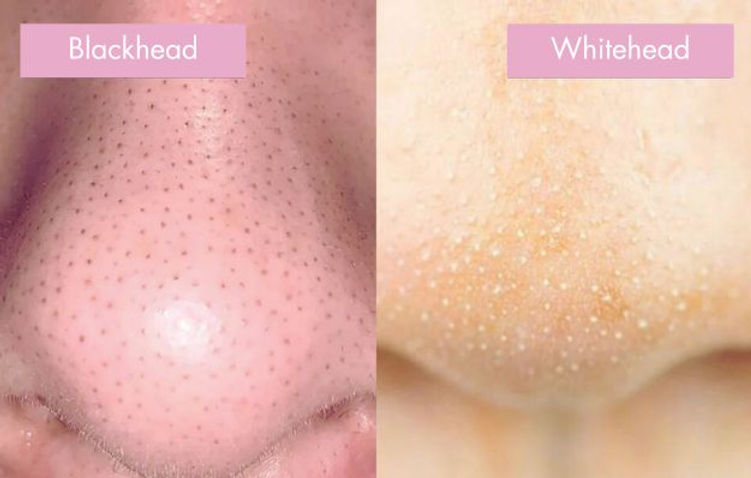
Paula’s Choice 2% BHA Liquid Exfoliant is a popular choice for people dealing with whiteheads, blackheads, clogged pores, and oily skin.
It contains salicylic acid, which can penetrate into the pores and help dissolve the buildup of oil and dead skin cells that contributes to comedonal acne.
Although it is a liquid exfoliant rather than a traditional cream, it can be applied to areas that are prone to congestion, such as the nose, forehead, chin, and cheeks.
Why it may be suitable:
- Helps unclog pores
- Targets blackheads and whiteheads
- Can reduce excess oil and congestion
- Suitable for combination skin and oily skin
- Helps improve uneven skin texture over time
Start by using it once or twice a week before gradually increasing frequency if your skin tolerates it. Avoid using it at the same time as other strong exfoliants or retinoids until you know how your skin responds.
2. Best Pimple Cream for Inflamed Pimples
Benzac AC 2.5% Acne Gel contains benzoyl peroxide and is commonly used for red, swollen, and inflamed pimples. It works by reducing acne-associated bacteria and helping calm inflammatory breakouts.
The 2.5% concentration can be a useful starting point for people who are new to benzoyl peroxide. Higher concentrations are not always more effective, but they may be more irritating for some users.
Why it may be suitable:
- Targets red and inflamed pimples
- Helps reduce acne-associated bacteria
- Useful as a targeted treatment
- Can help prevent new inflammatory breakouts
- Suitable for oily or combination skin
Apply a small amount to affected areas rather than covering your entire face unless directed by a healthcare professional.
Benzoyl peroxide may cause dryness and can bleach fabrics, so allow the product to dry before touching towels, clothing, or pillowcases.
3. Acne Spot Treatment for Cystic Acne
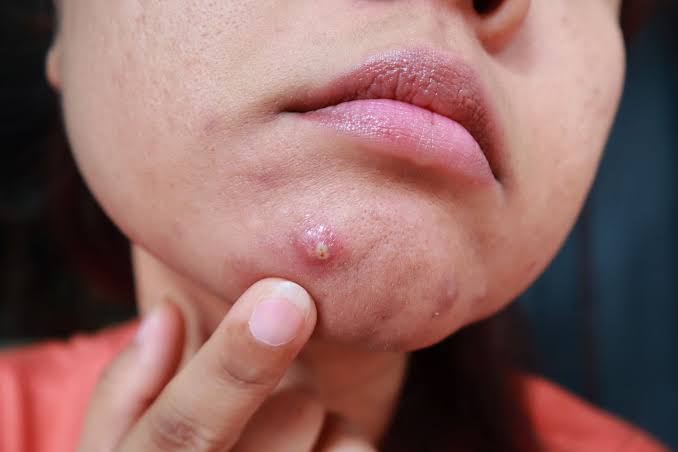
Cystic acne consists of deep, painful, and inflamed lumps that develop beneath the surface of the skin. It can be difficult to treat with ordinary spot creams because the inflammation occurs deeper inside the pore.
Differin Adapalene Gel contains adapalene, a topical retinoid that helps prevent pores from becoming clogged and can reduce recurring acne over time. It is generally more useful as a consistent preventive treatment than as a quick solution for a single pimple.
Why it may be suitable:
- Helps prevent clogged pores
- Can reduce recurring breakouts
- Useful for comedonal and inflammatory acne
- May improve uneven skin texture
- Can be used as part of a long-term acne routine
Adapalene can cause dryness, peeling, or irritation when first introduced. Apply a thin layer at night and begin every few nights before increasing use gradually. Moisturizer and sunscreen are important when using a retinoid.
If you have severe, painful, or widespread cystic acne, consult a dermatologist. Prescription treatment may be necessary to reduce the risk of permanent acne scars.
Important: Do not use topical retinoids during pregnancy unless specifically advised by a healthcare professional.
4. Hormonal Acne
Hormonal acne often appears around the chin, jawline, and lower cheeks. It may flare before menstruation or during periods of hormonal change and can include deep, tender pimples.
Azelaic acid is a useful over-the-counter option because it has anti-inflammatory and antimicrobial properties and may also help improve the appearance of dark marks left behind after breakouts.
Products containing azelaic acid, such as The Ordinary Azelaic Acid Suspension 10%, may be suitable for mild hormonal acne and post-acne marks. However, hormonal acne that is persistent, painful, or recurring may require professional treatment.
Why azelaic acid may be suitable:
- Helps calm inflammation
- Can support the treatment of mild acne
- May improve the appearance of acne scars and dark marks
- Often better tolerated by sensitive skin
- Can be used for redness and uneven skin tone
For persistent hormonal acne, a dermatologist may recommend prescription options such as topical retinoids, oral medication, or other hormone-related treatments. Avoid trying to manage severe hormonal acne with multiple harsh products at once, as this can irritate the skin without addressing the underlying cause.
5. Acne Scars and Post-Acne Marks
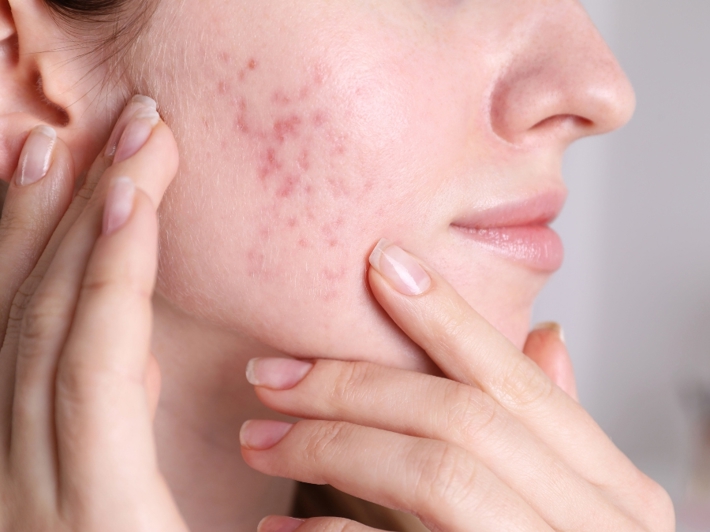
Many people use the term acne scars to describe the dark or red marks left after a pimple heals. These marks are often post-inflammatory hyperpigmentation or redness rather than permanent indented scars.
Azelaic acid can help improve the appearance of these marks while also treating active acne. Products such as Skinoren, where available and appropriate, or lower-strength azelaic acid formulas may be useful options.
Why it may be suitable:
- Helps reduce the appearance of dark post-acne marks
- Can improve uneven-looking skin tone
- Helps calm redness
- May support the treatment of active acne
- Often suitable for sensitive or combination skin
True indented or raised acne scars usually cannot be removed with a pimple cream alone. These may require professional procedures such as chemical peels, microneedling, laser treatment, or subcision. Always use sunscreen during the day because sun exposure can make post-acne marks appear darker and last longer.
How to Choose Based on Your Skin Type
Your skin type should influence which acne treatment you choose, how often you apply it, and which product texture is most comfortable. Start with one active ingredient, use a small amount, and give your skin time to adjust before adding other treatments.
1. Oily skin
Choose lightweight, oil-free, non-comedogenic gels, lotions, or serums that will not leave a heavy residue.
Ingredients such as salicylic acid can help unclog pores, while benzoyl peroxide targets inflamed pimples and niacinamide may help reduce excess oil.
A suitable option is CeraVe Acne Control Gel, which contains salicylic acid and is designed to help improve clogged pores and breakouts.
2. Combination skin
Use different products on different areas if needed, since the T-zone may be oily while the cheeks feel dry or normal.
Apply a salicylic acid or benzoyl peroxide treatment only to congested areas, then use a gentle moisturizer on drier parts of the face.
La Roche-Posay Effaclar Duo Acne Treatment is one option for targeted acne-prone areas, but apply it gradually and avoid spreading it over dry skin.
3. Sensitive skin
Look for fragrance-free, alcohol-free formulas with gentle ingredients such as azelaic acid or low-strength niacinamide.
Introduce only one active ingredient at a time, apply it every few days at first, and stop if you experience persistent burning, swelling, or severe irritation.
The Ordinary Azelaic Acid Suspension 10% may be suitable for some sensitive, acne-prone skin, although you should patch-test it before applying it more widely.
4. Dry skin
Choose cream or lotion-based acne treatments rather than strong, drying gels, and prioritize ingredients that support the skin barrier, such as ceramides, glycerin, and hyaluronic acid.
Use moisturizer regularly and avoid combining several exfoliating ingredients, since excessive dryness can make your skin uncomfortable and harder to treat.
CeraVe Acne Foaming Cream Cleanser, which contains benzoyl peroxide alongside barrier-supporting ingredients, can be considered, but use it sparingly and follow with moisturizer.
5. Acne-prone skin
Choose products labelled non-comedogenic and avoid heavy oils, harsh scrubs, and picking or squeezing pimples, which can increase inflammation and the risk of marks.
For recurring breakouts, a consistent routine with a gentle cleanser, a suitable acne treatment, moisturizer, and sunscreen is usually more helpful than repeatedly applying strong spot treatments.
Differin Gel, which contains adapalene, is a commonly recommended option for preventing recurring clogged pores, but it should be introduced gradually and is not recommended during pregnancy unless approved by a healthcare professional.
Natural Alternatives for Acne Treatment
If you’re seeking a more holistic approach to tackling acne, natural remedies can be a gentle and effective alternative.
These treatments not only help reduce breakouts but also nourish your skin, making them a great addition to your skincare routine.
- Aloe Vera : Known for its soothing properties, aloe vera can reduce redness and promote healing.
- Tea Tree Oil : A natural antiseptic, tea tree oil fights bacteria and calms inflamed skin.
- Honey : With its antibacterial and moisturizing properties, honey makes an excellent mask for acne-prone skin.
Why Visit a Professional?
Sometimes, over-the-counter products aren’t enough. Professional treatments like acne facial services can deeply cleanse your pores, exfoliate dead skin, and reduce acne-causing bacteria.
These facials often include advanced technologies and customized solutions to address stubborn acne effectively.
Using the best pimple cream in Singapore is just one step. For optimal results, incorporate additional treatments like a gua sha facial or an acne facial Singapore session to complement your routine.
Clear Up Your Acne with Bossiface Treatment
Bossiface is an expert in skincare and facial treatments, making it a trusted choice for clearing up acne. Here are Bossiface’s services that could help you to tackle acne problems:
1. Purifying Treatment
Bossiface’s Purifying Treatment is designed to deeply cleanse and detoxify your skin.
It uses advanced techniques to unclog pores, remove impurities, and reduce inflammation.
This treatment is perfect for those dealing with frequent breakouts or stubborn blackheads.
2. Charcoal Peel
The Charcoal Peel by Bossiface combines the detoxifying power of activated charcoal with gentle exfoliation to target acne-causing bacteria and excess oil.
This treatment leaves your skin feeling refreshed, smooth, and free of impurities.
By combining these services with the best pimple cream in Singapore, you can achieve better and faster results.
Let our professional treatments and personalized care transform your skin and boost your confidence.